

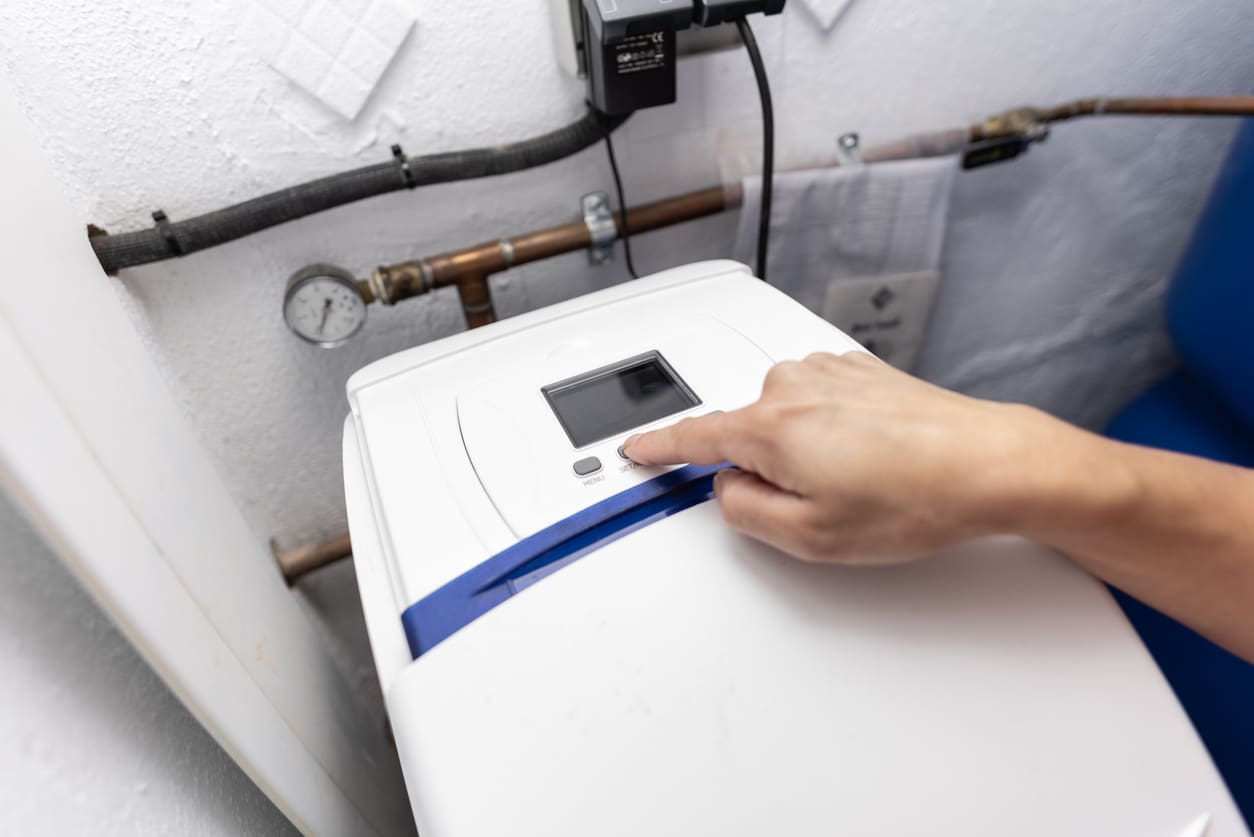
Hard water is a common problem throughout Louisiana, leaving mineral deposits on your faucets, making your soap less effective, and creating a film on your dishes even after they’ve been washed. If you’re tired of dealing with these issues, you’ve probably considered installing a water softener. But that brings up an important question: is water softener installation something you can tackle yourself, or should you call in the professionals? Let’s take a closer look at what’s involved and help you make the right decision for your home.
Understanding Water Softener Installation
Before we get into the difficulty level, it helps to know what a water softener actually does and how it fits into your plumbing system. A water softener removes minerals like calcium and magnesium from your water supply through a process called ion exchange. The system typically consists of two tanks—a mineral tank where the water gets treated and a brine tank that holds salt to regenerate the system.
Water softener installation requires connecting the unit to your home’s main water line, setting up proper drainage for the regeneration process, and installing an electrical connection if your unit requires power. Sounds simple enough, but each of these steps comes with its own set of complications that can quickly turn a weekend project into a multi-day ordeal.
What the Installation Process Looks Like
A typical water softener installation involves several key steps:
- Finding the right location for your softener (usually near your water heater or main water line)
- Shutting off your home’s water supply
- Cutting into your main water line to install bypass valves
- Connecting the inlet and outlet pipes to your softener
- Running a drain line for the discharge water
- Setting up the brine tank and adding salt
- Installing electrical connections if needed
- Programming the system and testing everything
Each of these steps requires specific knowledge and tools. Miss something or make a mistake, and you could end up with leaks, water damage, or a system that doesn’t work properly.
The Tools and Materials You’ll Need
One reason water softener installation can be challenging is the variety of tools and materials required. You’ll need pipe cutters, wrenches, a drill, various fittings and connectors, Teflon tape, and potentially PEX or copper piping depending on your home’s plumbing setup.
You’ll also need to understand which type of piping you have and how to work with it properly. Copper pipes require soldering skills, while PEX requires special crimping tools. If you don’t already own these tools and know how to use them, you’re looking at a significant investment before you even start the project.
Common Challenges During Water Softener Installation
Finding the Right Location
Your water softener needs to be installed on your main water line before it splits off to your outdoor faucets and irrigation system. You don’t want to waste salt softening water that’s going to your lawn. The unit also needs to be near a drain for the discharge water and close enough to an electrical outlet if required. Finding a spot that meets all these requirements in older homes can be tricky.
Working with Your Main Water Line
Cutting into your home’s main water line is not something to take lightly. One wrong move and you could have a serious water emergency on your hands. You need to know exactly where to cut, how to install the bypass valves correctly, and how to ensure everything is sealed properly to prevent leaks.
In older homes throughout the Northshore and New Orleans area, you might encounter galvanized pipes that are corroded or difficult to work with. This can turn a straightforward installation into a much more complicated job requiring additional repairs or pipe replacement.
Setting Up Proper Drainage
Your water softener needs to discharge water during its regeneration cycle. This means running a drain line to a suitable location—typically a floor drain, utility sink, or outdoor area. The drain line needs to be installed at the right height and angle to prevent backflow and ensure proper drainage. Getting this wrong can lead to water backing up into your softener or flooding your utility room.
Ensuring Adequate Water Pressure
If your water softener isn’t sized correctly for your home or installed properly, it can reduce your water pressure throughout the house. Professional plumbers know how to calculate the right size unit for your household and install it in a way that maintains good water flow.
Programming and Maintenance Setup
Once everything is physically installed, you still need to program your water softener correctly based on your water hardness level and household size. Set it wrong, and you’ll either waste salt and water or won’t get the soft water benefits you’re looking for.
When DIY Water Softener Installation Might Work
If you have significant plumbing experience, feel comfortable cutting into your main water line, have all the necessary tools, and your home has a straightforward plumbing setup, you might be able to handle water softener installation yourself. Some newer homes with accessible plumbing and clear installation points make the job somewhat easier.
You’ll also need plenty of time to work through any unexpected issues that come up. What looks like a four-hour job can easily turn into a full weekend project when you run into complications.
Why Professional Installation Is the Smart Choice
Here’s what you get when you hire professional plumbers for water softener installation: experience, proper tools, and the knowledge to handle unexpected problems. We’ve installed water treatment systems throughout the greater New Orleans area and know how to deal with everything from tight spaces to corroded pipes.
Professional installation also means you don’t have to worry about making a costly mistake. Damage to your main water line, improper drainage causing water damage, or electrical problems can all end up costing far more than professional installation would have in the first place.
Another benefit? We can test your water and help you choose the right size and type of water softener for your specific needs. Not all water softeners are the same, and having the right system makes a big difference in performance and efficiency.
Protecting Your Investment
A water softener is a significant investment in your home’s comfort and your plumbing system’s health. Professional installation ensures that investment is protected. We guarantee our workmanship, so if any issues arise from the installation, we’ll take care of them.
We can also show you how to properly maintain your system, when to add salt, and what signs to watch for that might indicate a problem. This knowledge helps you get the most out of your water softener for years to come.
Making Your Decision
So, is water softener installation hard? For most homeowners, yes—it’s one of the more complex plumbing projects you can take on. Between the need to work with your main water line, set up proper drainage, make electrical connections, and program the system correctly, there are many opportunities for things to go wrong.
The risk of water damage alone makes professional installation worth considering. A leak at your main water line can cause thousands of dollars in damage in a short amount of time. Compare that to the cost of professional installation, and the choice becomes pretty clear.
Ready for Softer Water?
If you’re dealing with hard water problems and ready to do something about it, Goodbee Plumbing is here to help. We offer expert water treatment services throughout Mandeville, Covington, Hammond, Ponchatoula, and the surrounding areas. Our team can assess your water quality, recommend the right system for your needs, and handle the complete water softener installation from start to finish.
Contact us for a phone estimate. We offer same-day service for most jobs and guarantee all our workmanship. Let our licensed, bonded, and insured plumbers take care of your water softener installation so you can start enjoying the benefits of soft water without the stress of a DIY project gone wrong.