

Living in Louisiana, we’re no strangers to thick, muggy air that makes even a short walk feel like wading through soup. But while you might be used to dealing with frizzy hair and sticky skin during our humid summers, have you ever stopped to think about what all that moisture in the air might be doing to your plumbing? High humidity doesn’t just make you uncomfortable—it can create some serious issues for your home’s plumbing system that you might not even realize until problems start popping up.
Understanding Humidity and Your Home
Humidity refers to the amount of water vapor present in the air. When we talk about high humidity, we’re usually referring to levels above 50-60%. Here on the Northshore and throughout the New Orleans area, summer humidity levels regularly soar into the 70-90% range, creating the perfect conditions for plumbing-related problems to develop. Your home’s plumbing system, with all its pipes, fixtures, and connections, becomes especially vulnerable when exposed to consistently high moisture levels.
Condensation: The Silent Troublemaker
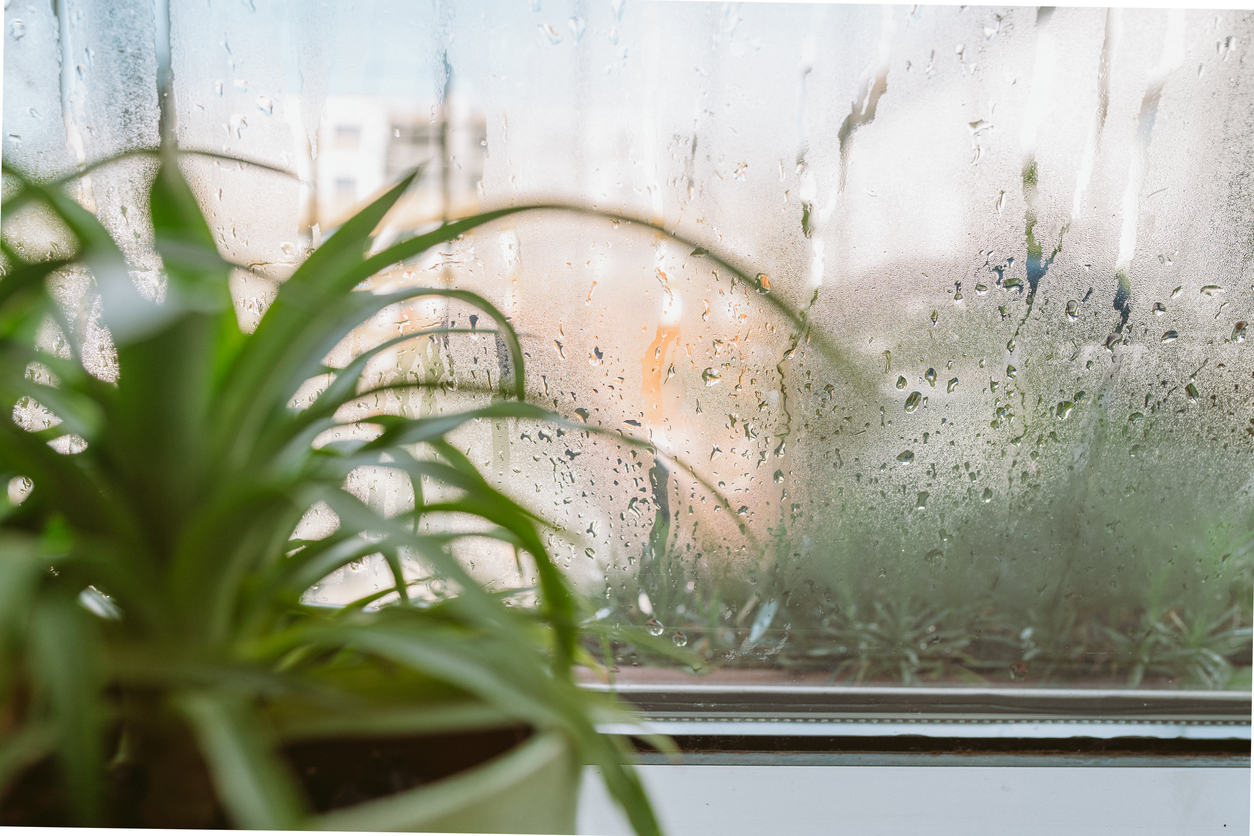
One of the most common ways humidity affects your plumbing is through condensation. When warm, humid air comes into contact with cold water pipes, moisture collects on the outside of those pipes—similar to how a cold glass of sweet tea “sweats” on a hot summer day. While a little condensation might not seem like a big deal, over time this constant moisture can lead to several problems.
Condensation dripping from pipes can damage ceilings, walls, and floors. If you’ve got pipes running through your attic or crawl space, that dripping water can saturate insulation, damage wood framing, and create stains on your ceilings. Even worse, all that moisture creates the perfect environment for mold and mildew to thrive. Not only does mold smell unpleasant, but it can also pose health risks to you and your family, especially if anyone has allergies or respiratory issues.
The condensation itself can also cause your pipes to corrode faster than they normally would. Metal pipes exposed to constant moisture may develop rust and deterioration, which can eventually lead to pinhole leaks or larger failures. This is particularly problematic for older homes with galvanized piping, which is already prone to rust over time.
Corrosion and Pipe Damage
High humidity doesn’t just affect the outside of your pipes—it can accelerate corrosion throughout your entire plumbing system. When moisture combines with oxygen in humid air, it speeds up the oxidation process that causes metal to rust. This is especially concerning for any exposed pipes in basements, crawl spaces, or outdoor areas where humidity tends to be even higher than inside your living spaces.
Copper pipes, while more resistant to corrosion than some other materials, can still develop problems in high-humidity environments. The moisture can cause the formation of copper oxide, which appears as a greenish residue on the pipes. While a small amount of oxidation is normal, excessive humidity can accelerate this process and potentially weaken pipe walls over time.
If your home has older galvanized pipes, high humidity becomes an even bigger concern. These pipes are already susceptible to rust from the inside out, and when you add external moisture from high humidity, you’re basically giving corrosion a helping hand from both directions. This can lead to reduced water pressure as rust buildup narrows the pipe interior, discolored water coming from your taps, and eventually, leaks that require pipe replacement.
The Hidden Danger: Leaks You Can’t See
Here’s where things get really tricky. High humidity can mask the signs of leaks in your plumbing system. Normally, when you have a leak, you might notice water stains, dampness, or puddles that alert you to the problem. But in a high-humidity environment, everything already feels a bit damp. That moisture on your walls or ceiling might not immediately raise red flags because, well, everything’s moist when the humidity is through the roof.
This means leaks can go undetected for longer periods, allowing more damage to accumulate before you realize there’s a problem. By the time you discover the leak, you might be dealing with rotted wood, damaged drywall, water leaking through your ceiling, or serious mold growth that could have been prevented with earlier detection.
Fixture Problems and Hard Water Effects
High humidity can also affect your plumbing fixtures in ways you might not expect. That constant moisture in the air can accelerate mineral buildup on faucets, showerheads, and other fixtures, especially if you already have hard water. Those white, crusty deposits that form around your faucet aerators and showerheads aren’t just unsightly—they can reduce water pressure and affect the performance of your fixtures.
Additionally, the seals and gaskets in your plumbing fixtures can deteriorate faster in high-humidity conditions. Rubber and synthetic materials used in these components can break down when constantly exposed to moisture, leading to dripping faucets and running toilets that waste water and drive up your utility bills.
Drain and Sewer Line Concerns
While your drain and sewer lines are designed to handle water, excessive humidity in the surrounding soil can create problems too. When the ground around your home stays saturated due to high humidity combined with frequent rain (which often goes hand-in-hand with humid conditions), it puts extra pressure on underground pipes. This can lead to shifting, settling, or even cracking of sewer lines.
High humidity also creates ideal conditions for tree roots to seek out water sources. If you have any small cracks or weak joints in your sewer lines, those roots will find them. The combination of moist soil and even the tiniest leak can attract roots that will grow into your pipes, eventually causing major blockages that require professional attention.
What You Can Do About It
The good news is that you’re not powerless against humidity-related plumbing problems. Here are some practical steps you can take to protect your plumbing system:
Control Indoor Humidity Levels: Use dehumidifiers in areas prone to high moisture, like basements and crawl spaces. Aim to keep indoor humidity between 30-50% for optimal conditions. Make sure your bathroom exhaust fans are working properly and use them during and after showers.
Insulate Your Pipes: Pipe insulation isn’t just for preventing freezing in winter—it also helps prevent condensation in humid weather. Insulating cold water pipes keeps them from “sweating” when humid air comes into contact with them.
Improve Ventilation: Make sure areas with plumbing have adequate airflow. This is especially important in crawl spaces, attics, and basements where humidity can get trapped.
Regular Inspections: Check exposed pipes regularly for signs of corrosion, condensation, or leaks. Look for rust, discoloration, or moisture around pipe connections and fixtures.
Address Leaks Promptly: If you notice any signs of plumbing problems—strange sounds, water stains, increased water bills, or reduced water pressure—don’t wait to address them. In high-humidity conditions, small problems can quickly become big ones.
Keep an Eye on Your Water Bill: An unexplained increase in your water usage could indicate a hidden leak that’s being masked by high humidity conditions.
When to Give Us a Buzz
Some plumbing issues related to humidity are beyond the scope of DIY fixes. If you notice recurring condensation problems, signs of corrosion on your pipes, unexplained dampness or water damage, mold growth near plumbing fixtures, or decreased water pressure, it’s time to contact a professional.
Our team at Goodbee Plumbing has been dealing with humidity-related plumbing issues throughout the Northshore and New Orleans area for over 25 years. We understand the unique challenges that our Louisiana climate presents, and we’re equipped with the tools and expertise to diagnose and fix problems before they turn into expensive disasters.
Don’t let high humidity take a toll on your plumbing system. Whether you need a thorough inspection, pipe insulation, or repairs, we’re here to help keep your plumbing in top shape no matter how sticky it gets outside. Get in touch, and let us help you protect your home from humidity-related plumbing problems. Same-day service is available for most issues, and we’re always happy to provide an over-the-phone estimate to get you started!